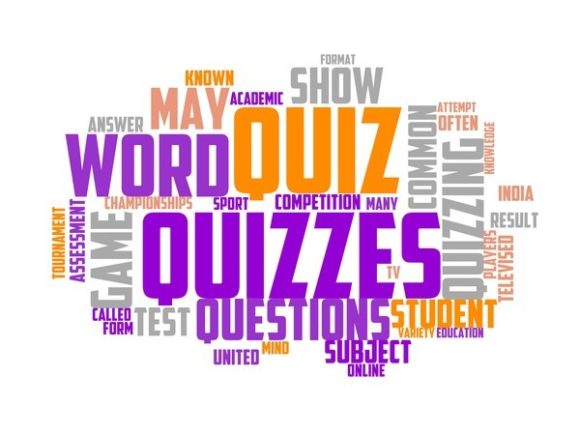
Quizzing Typography Tumbler
At its core, the Quizzing Typography Tumbler is a vibrant, hand-drawn wordcloud — not just text arranged in a circle, but a thoughtfully composed visual toolkit. Every word is carefully lettered by hand, then digitally refined to preserve warmth and character. The palette bursts with cheerful, harmonious colors. It’s designed to be more than decoration: it’s a flexible design asset that invites interaction, personalization, and meaning.
Why this matters — differently for different people
What makes the Quizzing Typography Tumbler resonate across such varied audiences isn’t just its aesthetic — it’s how easily it adapts to real-world needs. A teacher might see vocabulary reinforcement; a small-batch ceramicist might envision it stamped on mug glazes; a freelance designer might spot layout versatility for client pitch decks. There’s no single “right” way to use it — and that flexibility is intentional.
For educators and trainers
You’re often balancing clarity with engagement. A wordcloud like this one helps learners make quick, intuitive connections between concepts — especially when used in classroom posters, flashcards, or digital lesson slides. Because the words are hand-drawn (not algorithm-generated), they avoid the sterile feel of AI-generated visuals. That human touch supports memory retention and emotional resonance. Try printing it at poster size for a literacy wall, or scaling it down for student notebooks — no licensing hurdles, no pixelation.
For makers and crafters
If you stitch, screen-print, embroider, or etch, you know how rare it is to find typography that feels both expressive and production-ready. This tumbler-style wordcloud works beautifully on fabric, wood, ceramic, and paper — because its lines are clean enough for cutting machines yet retain organic flow. Hobbyists use it to personalize tote bags or pillow covers; small studios apply it to limited-run apparel tags or gift wrap. Since it’s delivered as high-resolution vector + PNG files, resizing doesn’t compromise detail — whether you’re heat-pressing onto cotton or laser-cutting acrylic charms.
For designers and marketers
You don’t need another generic font pack. You need assets that communicate tone *immediately*. The Quizzing Typography Tumbler carries energy, curiosity, and approachability — qualities that align well with wellness brands, edtech startups, creative workshops, or community events. Use it as a background layer in social media banners, crop sections for Instagram story stickers, or reposition individual words into custom logos. Its color balance ensures readability over photos, and its non-repetitive layout avoids visual fatigue — something static grids often miss.
For entrepreneurs and small business owners
Time and budget are constant constraints. This design saves both: no need to commission custom illustration for every seasonal promotion, and no subscription fees or usage limits. You can drop it into Canva, Adobe Express, or Affinity Designer and start iterating in minutes. One café owner printed it on reusable coffee sleeves with a simple “Try Our Quiz Brew!” tagline. A bookstore embedded it into their summer reading challenge flyer — swapping out “curiosity” for “adventure” and “discovery” for “mystery.” The file includes editable layers, so swapping words or adjusting saturation takes seconds, not hours.
For writers, bloggers, and content creators
Your audience trusts your voice — not stock imagery. The Quizzing Typography Tumbler adds personality without competing with your message. Bloggers use it to introduce themed series (“What Does ‘Resilience’ Mean to You?”), podcasters feature it in show notes PDFs, and newsletter writers embed scaled-down versions in email headers. Because it’s not tied to a specific niche (e.g., “fitness” or “finance”), it stays relevant across topics — from mindful productivity to creative entrepreneurship.
What to consider before using it
Not every design asset fits every project — and that’s okay. Here’s how to gauge fit:
- Ease of use: If you’re new to design tools, start with drag-and-drop platforms like Canva or PicMonkey. The included PNGs work instantly; vectors require basic familiarity with Illustrator or Inkscape (but tutorials are widely available).
- Commercial value: It’s licensed for unlimited commercial use — meaning you can sell products featuring it (t-shirts, prints, planners) without royalties or attribution. Just check your platform’s print-on-demand terms — most accept third-party design files.
- Creative control: While the overall composition is fixed, individual words can be isolated, recolored, resized, or rearranged. That makes it ideal for iterative projects — say, building a series of workshop handouts where each session highlights a different subset of words.
- Long-term usefulness: Unlike trend-driven assets, hand-drawn typography ages gracefully. It won’t look dated next year or five years from now — especially since color palettes and line weights prioritize balance over fleeting aesthetics.
Real ways people are using it — right now
A textile designer in Portland layered parts of the tumbler into a repeat pattern for organic cotton napkins. A homeschool parent turned it into a laminated “word hunt” game board for spelling practice. A university communications team adapted it for an orientation welcome banner — keeping the shape intact but replacing “explore,” “connect,” and “create” with their campus values. A jewelry maker traced individual letters into brass stamping templates for minimalist necklaces.
Notice what’s consistent? None of these uses treat the tumbler as a finished product. Instead, it serves as raw material — a starting point shaped by intention, not constraint.
Does it match your goals?
Ask yourself:
- Do you need a visual that conveys playfulness, learning, or self-expression — without feeling childish or overly technical?
- Are you working across physical and digital formats (e.g., printed flyers + social graphics)?
- Do you value design integrity — meaning legibility at small sizes, smooth curves for cutting, and colors that translate well to both screen and ink?
- Is adaptability more important than rigid consistency? (This tumbler thrives when edited — not when left untouched.)
If you nodded yes to two or more, the Quizzing Typography Tumbler likely supports your workflow — whether you’re prepping a classroom activity, launching a side-hustle, or refreshing your brand’s visual language. It’s not about replacing your skills; it’s about giving them a thoughtful, colorful boost.
No design tool replaces judgment, context, or care. But when those qualities are already present — the Quizzing Typography Tumbler becomes a quiet collaborator: reliable, expressive, and quietly joyful to use.